Our premium selection of semi-automatic filling and encapsulating systems engineered to meet the sanitation and precision requirements of Fijian bottling plants, pharmaceuticals, and craft manufacturers.
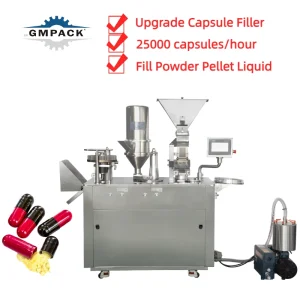
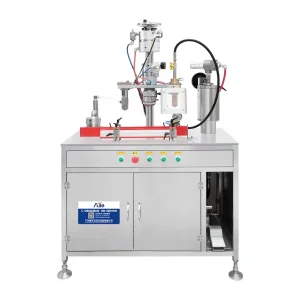
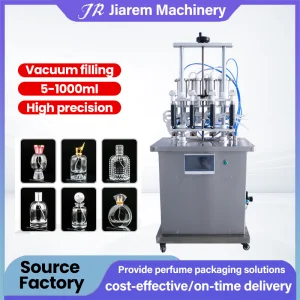
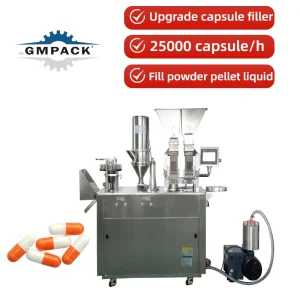
As the primary economic and trade hub of the South Pacific, Fiji is experiencing an industrial transition. Key sectors such as organic food processing, Virgin Coconut Oil (VCO) extraction, pharmaceutical compounding, and craft beverage production (including natural mineral water and regional juices) are shifting from manual packing methods toward automated infrastructure. With the Fijian government actively promoting value-added domestic manufacturing under local enterprise schemes, semi-automatic liquid filling machines have emerged as a critical technology.
These units allow companies to scale production capacity, ensure consistent volume tolerances, and maintain hygienic standards without the large capital expenditure required for fully automatic packaging lines. By utilizing semi-automatic systems, local businesses can manage product viscosity variations—ranging from free-flowing noni juices to highly viscous honey and coconut oil products—while keeping operational footprints compact enough to suit standard factory layouts in industrial zones like Suva, Lautoka, and Nadi.
Designed to fit modular workspaces while offering a step-up in throughput, bridging the gap between micro-batching and continuous flow production.
Engineered to handle varying fluid densities including essential oils, dynamic cosmetic pastes, juices, and chemically volatile paint mixtures.
Through robust engineering and field testing across Pacific shipping lanes, we maintain strict quality standards to guarantee product reliability.
The Pacific fluid packaging industry is evolving, driven by updates to national food safety laws and changing trade demands. Below are the key engineering and manufacturing trends shaping the deployment of filling equipment in Fiji:
With exports of virgin coconut oil and noni juice targeting markets in Australia, New Zealand, and North America, compliance with USDA Organic and European Union food standards is essential. Equipment featuring sanitary Tri-Clamp fittings, Clean-In-Place (CIP) capabilities, and contact parts made of SUS316L stainless steel has become a core requirement for local producers.
Fijian micro-distilleries, cosmetic producers, and agro-processors often handle multiple product lines on a single machine. The demand for semi-automatic liquid fillers with quick-interchange nozzles, adjustable volume strokes, and compatible seal structures allows rapid transitions between products like liquid soaps, glass-bottled sauces, and stand-up pouches.
Given Fiji’s tropical marine environment, electronic sensors and delicate PCBs can be susceptible to salt-air corrosion and power fluctuations. Fully pneumatic or electro-pneumatic hybrid machines offer stable performance, ease of maintenance for local technicians, and a longer operational lifespan in coastal industrial zones.
Acquiring industrial machinery requires balancing capital expenditures (CAPEX) with long-term operational efficiency. Below is an engineering checklist designed for Fiji procurement teams selecting semi-automatic filling solutions:
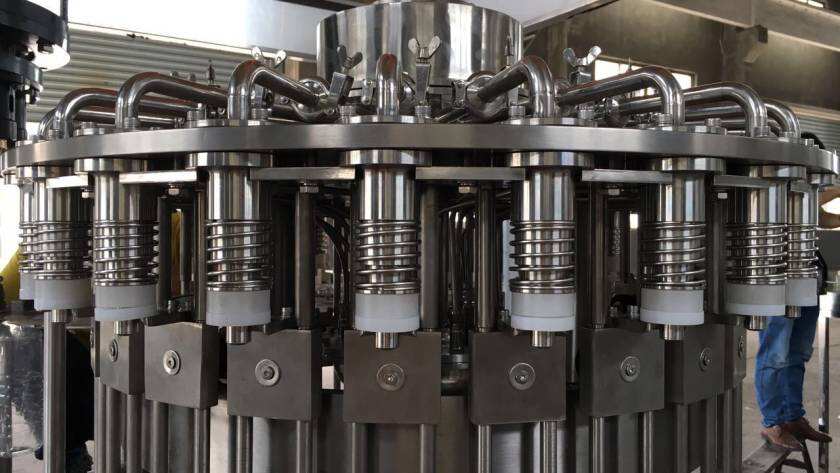
Modern semi-automatic liquid filling machines are built with modular designs, allowing them to adapt to future expansions. Here is our engineering roadmap for upgrading packaging systems over time:
Initial phase focusing on precise, foot-pedal-operated filling and pneumatic capping to establish consistent volume standards and minimize product waste.
Introducing gravity or motorized conveyors, allowing products to move smoothly from the filling station to downstream sealing and labeling units.
Integrating photo-eye sensors, no-bottle-no-fill logic, and anti-drip diving nozzles to automate the dosing cycle while keeping operations clean.
Upgrading the modular filler with an automatic indexing starwheel, bulk hopper loader, and centralized PLC control for high-speed, continuous runs.
Hebei Yongli Machine Co., Ltd was founded in 2009. Our company covers an area of 15,000㎡. We are a leading enterprise in research and production of liquid and beverage packing machines. Our main products includes: water treatment plant, beverage and daily chemical filling machine, labeling machine, film shrink wrapping and carton packing machine, beverage processing and production lines.
We provide end-to-end service, integrating system layouts and operational change management directly into your plant workflows.
Bottle, label and machine layout design customized to each client's specific factory floor plan and operational requirements.
Upon deposit confirmation, we construct your machinery utilizing precision-engineered parts based on the approved bottle shape and design layouts.
When machinery arrives on-site, we can dispatch technicians to perform installation, setup calibration, and provide operator training.
We offer online after-sales support and provide replacement parts during the warranty period to ensure continuous production.
Find answers to common technical and operational questions regarding the deployment and maintenance of semi-automatic filling systems in Oceania.
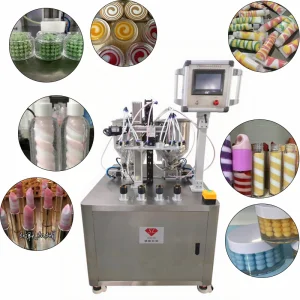
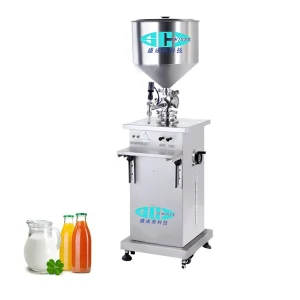
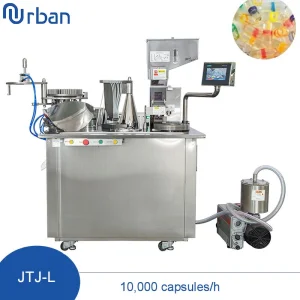
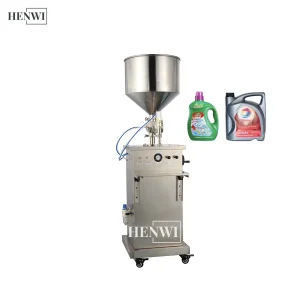
Examine our full lineup of liquid fillers, aerosol crimpers, tube sealers, and capsule systems designed to support diverse business operations.
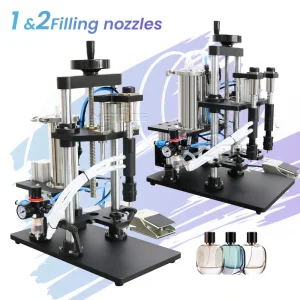
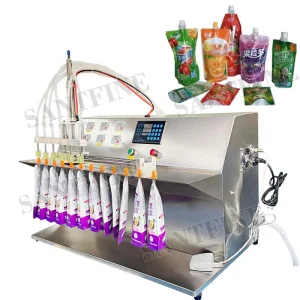
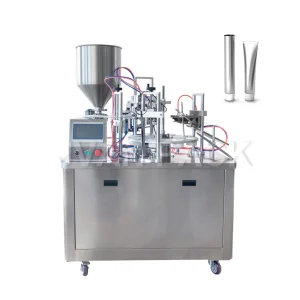
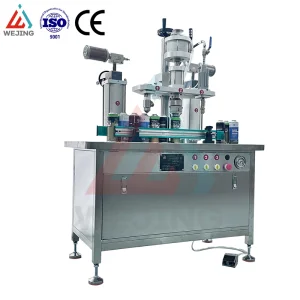
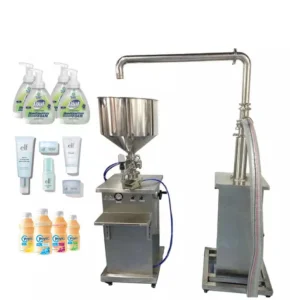
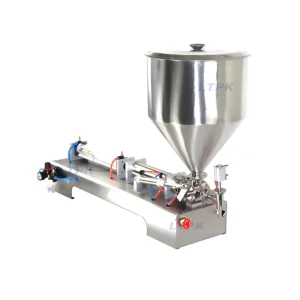
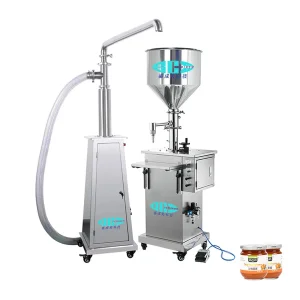
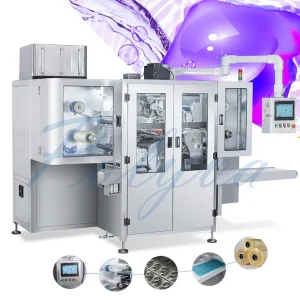
Our engineering team can assist you with equipment selection, custom configurations, and after-sales support to match your specific production requirements.
 Yongli Machine