China Top How to Extend Filling Machine Spare Parts Life?

Time:2026-10-14 Author:Sophia
0%

Extending the service life of filling machine spare parts requires more than replacing worn components. It begins with understanding how each part works under pressure, heat, vibration, and repeated cleaning. In practical production environments, small problems often appear first. A leaking seal, a scratched valve seat, or an unstable sensor can quietly reduce filling accuracy. Therefore, operators and maintenance teams should inspect critical parts before performance declines.

This guide explains How to extend the lifespan of filling machine spare parts through disciplined maintenance and informed replacement decisions. It covers cleaning routines, lubrication, storage, installation, calibration, and operating conditions. Use only compatible materials and follow the machine manufacturer’s specifications. Food-grade lubricants may be necessary for equipment handling consumable products. Seals should remain protected from sunlight, heat, and unsuitable chemicals. Metal parts need dry storage to reduce corrosion.

Details matter.

A maintenance log can record operating hours, cleaning dates, abnormal noise, and replaced components. This simple record supports better decisions and helps identify repeated failures. Experienced technicians also check alignment and tightening torque, rather than focusing only on visible damage. However, no maintenance plan is perfect. Cleaning methods may differ between facilities, and a part that lasts one year in one plant may fail sooner elsewhere. That is why inspection results should guide adjustments. Reliable performance comes from combining manufacturer guidance, trained judgment, and honest review of maintenance results. The goal is not merely longer part life. It is stable production, safer operation, and consistent product quality.
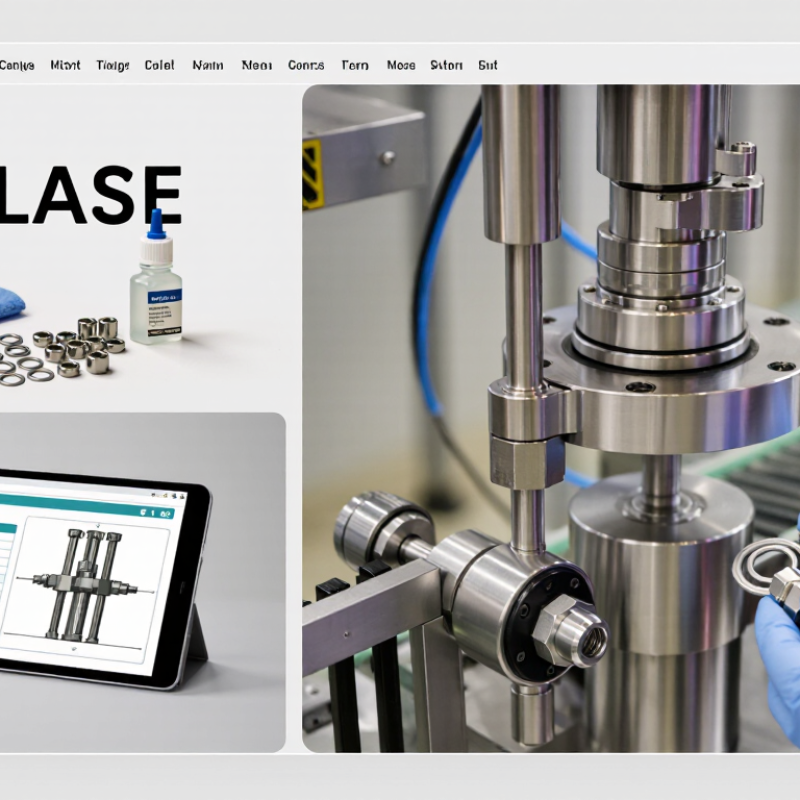
China Top How to Extend Filling Machine Spare Parts Life?

Filling Machine Spare Parts: Types, Functions, and Service Life

Filling machine spare parts do different jobs, so their service life varies sharply. Seals and gaskets control product contact and pressure. Valves manage flow timing. Pumps move liquid through hoses and manifolds. Nozzles shape the fill stream, while sensors confirm position, level, and temperature. Bearings and belts transfer motion under repeated loads. Small parts matter.

In daily operation, heat, cleaning chemicals, vibration, and dry running often cause early failure. A hardened seal may leak before visible damage appears. A worn valve can create inconsistent fill weights. The U.S. Department of Energy reports that preventive maintenance can reduce costs by 12–18% compared with reactive maintenance. Its Operations and Maintenance Best Practices guide also supports condition-based checks for critical equipment. McKinsey analysis indicates predictive maintenance may reduce machine downtime by 30% and maintenance costs by 20–30%, although results depend on process conditions.

Record operating hours, pressure, temperature, leak patterns, and replacement dates. Inspect seals during scheduled sanitation, not only after leakage begins. Check valve response and sensor readings against known reference values. Replace damaged fasteners and misaligned couplings immediately. Keep spare parts sealed, labeled, and protected from sunlight and moisture. A clean spreadsheet can still lie. Service-life estimates should be reviewed after every failure, because operators may overlook vibration, cleaning concentration, or incorrect installation.

Key Factors That Cause Filling Machine Parts to Wear

China Top How to Extend Filling Machine Spare Parts Life?

Key Factors That Cause Filling Machine Parts to Wear

Filling machine parts wear through friction, pressure, contamination, and poor adjustment. Product residue can harden around valves, seals, and nozzles. Small particles then scratch moving surfaces during every cycle. Excessive tightening also damages seals and creates uneven pressure. In practice, operators often focus on speed first. That decision can shorten component life.

Temperature changes matter too. Hot liquids may expand seals and soften some materials. Cold environments can make gaskets stiff and easier to crack. Misaligned pistons, loose fasteners, and unstable air pressure create repeated mechanical stress. Lubrication helps, but incorrect lubricant can swell seals or attract dust. We have seen clean-looking machines fail because hidden wear was ignored. That lesson is easy to miss.

Tips: Inspect seals, nozzles, springs, and bearings during scheduled cleaning. Check for scratches, leakage, unusual noise, and slower filling speed. Use the correct lubricant and tighten connections carefully. Keep pressure settings stable and record changes after maintenance. Replace worn parts before they damage nearby components. Still, inspection records are not perfect. A rushed check can miss a thin crack. Train operators to stop and report small changes early. Clean parts gently, especially around sharp edges and narrow passages. Calibration should follow actual production conditions, not assumptions.

How to Choose Durable Spare Parts for Filling Machines

How to Choose Durable Spare Parts for Filling Machines

Durable spare parts begin with correct material selection, not the lowest quotation. For liquid filling machines, stainless steel 316L often resists chlorides and acidic cleaning agents better than 304 stainless steel. Seal material also matters. EPDM suits many water-based products, while PTFE handles stronger chemicals and wider temperature changes. Always check product viscosity, cleaning temperature, pressure, and contact requirements before ordering.

The U.S. Department of Energy’s Operations & Maintenance Best Practices Guide reports that preventive maintenance can reduce costs by 12% to 18% compared with reactive maintenance. This supports a practical choice: buy parts with verified service records, dimensional tolerances, and traceable material certificates. Ask for cycle-life data, hardness results, and compatibility testing. A cheaper valve may look efficient. It can create leakage, contamination risks, and longer downtime later. That calculation is not always obvious.

Tips: Keep one critical spare kit near the machine. Record installation dates, operating hours, and failure symptoms. Replace worn seals before they damage shafts or pumps. Inspect surfaces for scratches after every intensive cleaning cycle. Avoid mixing materials without engineering approval. Some maintenance teams still replace parts by habit, not evidence. That habit deserves review. A simple failure log can reveal whether poor alignment, excessive pressure, or unsuitable material causes repeated failures. A durable part cannot compensate for incorrect installation.

Step-by-Step Maintenance for Longer Spare Parts Life

Longer spare-parts life starts with a repeatable maintenance routine, not emergency replacement. Before each shift, inspect filling-machine nozzles, seals, bearings, belts, and guides. Wipe product residue with approved materials. Never force a sticky valve. Record pressure, temperature, noise, and leakage in one log. Small changes often appear before failure.

Every week, check fastener torque, air-line moisture, lubrication points, and sensor alignment. Use the correct lubricant quantity; excess grease can attract dust and heat bearings. Replace damaged seals before liquid reaches shafts or electrical areas. Every month, compare cycle time and fill accuracy with baseline readings. The U.S. Department of Energy’s Operations & Maintenance Best Practices Guide links predictive maintenance with 25–30% lower maintenance costs and 35–45% less downtime. Those figures are useful targets, not promises.

A 2023 Deloitte manufacturing maintenance analysis also found that predictive programs can reduce machine downtime by about 30% and maintenance costs by about 20%. Apply that idea carefully. Trend vibration, motor current, and air consumption, then schedule parts during planned sanitation stops. Store spare seals flat, away from sunlight, ozone, and heat. Label purchase date and material type. Rotate stock. One honest weakness remains: technicians may skip records when production is rushed. A five-minute check can still be missed. Review the log weekly, question unusual readings, and revise intervals after real wear is observed.

How to Extend Filling Machine Spare Parts Life

Recommended preventive-maintenance intervals for commonly used filling-machine spare parts. Regular cleaning, lubrication, inspection, and timely replacement help reduce wear and unplanned downtime.

The intervals are general maintenance guidelines. Actual schedules should be adjusted according to operating hours, product characteristics, cleaning chemicals, and the equipment manual.

When to Repair, Replace, or Upgrade Filling Machine Components

Filling machine spare parts rarely fail without warning. Leaking seals, uneven fills, and unusual vibration often appear weeks earlier. Repair is suitable when damage is limited to adjustable or replaceable elements. For example, a valve with a worn seal may need cleaning, alignment, and a new gasket. A bent nozzle, cracked housing, or heavily scored pump chamber usually needs replacement. Continuing with damaged parts can cause product waste and unstable filling accuracy.

Tips: Record pressure, temperature, cycle count, and leakage patterns. Compare these records with the machine’s specifications. Replace seals before they become brittle. Inspect bearings for heat and noise. Check nozzles under proper lighting. Small defects become expensive quickly. One practical mistake is replacing every part too early. This increases costs and may introduce alignment problems. Yet delaying replacement can damage nearby components.

Upgrade when repeated repairs no longer solve the root problem. An older sensor may drift, even after recalibration. A newer control component could improve response time and reduce overfilling. However, upgrades need compatibility checks, electrical testing, and operator training. Do not upgrade only because a newer part looks more efficient. Review maintenance history, downtime, spare-part availability, and cleaning conditions. A careful decision balances reliability, safety, and long-term operating cost. Sometimes, the honest answer is uncertain. Run a short monitored trial before committing to a major change.

FAQS

What causes filling machine parts to wear?

Friction, pressure, residue, particles, and poor adjustment cause most wear. Speed can also shorten component life.

Which parts need regular inspection?

Check seals, nozzles, springs, bearings, valves, and narrow passages. Look for leakage, scratches, noise, and slower filling.

How does product residue damage components?

Residue can harden around valves, seals, and nozzles. Small particles then scratch moving surfaces during every cycle.

Can temperature changes reduce part life?

Yes. Hot liquids may expand seals, while cold conditions can make gaskets stiff and brittle.

What lubrication mistakes should operators avoid?

Use the correct lubricant for each component. An unsuitable lubricant may swell seals or attract dust.

When should a part be repaired instead of replaced?

Repair is suitable when damage is limited and alignment remains reliable. A worn valve seal may need cleaning and replacement.

Which signs indicate that replacement is necessary?

Replace parts with cracks, bent nozzles, or heavily scored pump chambers. Continued use may create waste and unstable filling.

When is an upgrade worth considering?

Consider an upgrade when repeated repairs fail to solve the root problem. Check compatibility, electrical performance, training, and downtime.

How can maintenance records support better decisions?

Record pressure, temperature, cycle count, leakage, and repair history. These details reveal patterns that memory often misses.

What should operators do when inspection results seem uncertain?

Run a short monitored trial before major changes. A rushed inspection can miss a thin crack. Recheck important findings.

Conclusion

Filling machine spare parts play essential roles in dosing, sealing, conveying, and maintaining stable production performance. Their service life depends on material quality, operating conditions, installation accuracy, cleaning routines, lubrication, and workload. To select durable components, users should consider compatibility, wear resistance, dimensional precision, and suitability for the product and working environment. Understanding common causes of wear, such as friction, corrosion, vibration, overloading, and improper adjustment, can help prevent unexpected downtime.

How to extend the lifespan of filling machine spare parts requires a systematic maintenance plan. Operators should inspect key components regularly, clean them according to operating requirements, lubricate moving sections properly, tighten connections, and monitor changes in noise, accuracy, leakage, or filling speed. Minor damage may be repaired when safe and cost-effective, while severely worn or unstable parts should be replaced promptly. When older components repeatedly fail or no longer meet production needs, upgrading selected parts can improve reliability, efficiency, and long-term maintenance results.

Sophia

Sophia

Sophia is a dedicated marketing professional with an exceptional depth of knowledge about her company's products and services. With a keen understanding of market trends and customer needs, she crafts insightful blog posts that not only inform but also engage readers, enriching the company’s online......