Choosing the right liquid filling machine for production is crucial for any manufacturing setup. According to a recent industry report by the Packaging Machinery Manufacturers Institute (PMMI), the liquid filling market is projected to grow significantly, with a compound annual growth rate (CAGR) of 4.5% through 2026. This growth highlights the necessity for businesses to invest wisely in filling equipment that meets their unique needs. When evaluating options, factors such as the type of liquid, production volume, and desired accuracy become paramount.
The best liquid filling machine should align with production goals. A report from the Food Processing Suppliers Association (FPSA) emphasizes efficiency and reliability as key indicators of performance. For instance, manufacturing facilities utilizing high-speed fillers can enhance output, but may sacrifice precision. It is essential to find a balance. Understanding the specifics of your operation can prevent costly errors later.
Ultimately, reflecting on the investment in a filling machine is vital. Are you focused on speed, accuracy, or both? Careful consideration of these aspects not only impacts productivity but also influences overall product quality. How to choose the right liquid filling machine for production requires a keen insight into your operational needs and limitations. Make informed decisions to avoid common pitfalls in machine selection.
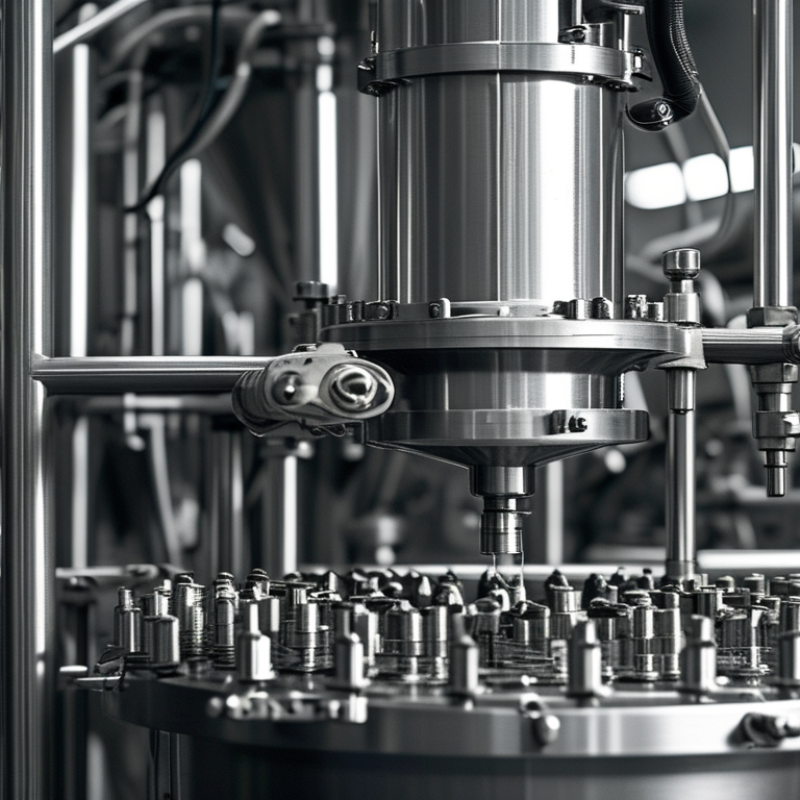
When selecting a liquid filling machine, understanding the various types is crucial. There are several distinct categories tailored for specific products. For instance, volumetric fillers are popular for their precision, ideal for thick products like sauces. On the other hand, gravity fillers excel with thinner liquids, making them suitable for juices and water. According to a 2022 market analysis, volumetric filling machines accounted for roughly 37% of the global market share.
Application scenarios also vary. Automated systems can increase production rates exponentially, addressing modern demands for efficiency. Semi-automatic machines are a good fit for smaller operations, allowing flexibility without substantial investments. Recent data from industry experts suggests that businesses deploying automated filling technology experience productivity boosts of about 25%. However, achieving optimal performance requires comprehensive knowledge of the product's properties, as well as machine specifications.
Challenges can arise in selecting the right equipment. Understanding viscosity and temperature is essential since these factors affect filling accuracy. Beyond technical specifications, operational training for staff is often overlooked. Inadequate training can lead to errors, impacting production quality. In practice, there must be a balance between technological capabilities and practical application to ensure efficiency.
Selecting the right liquid filling machine is crucial for any production line. One key factor is the type of liquid being filled. Viscosity varies widely among liquids, affecting how they flow through the machine. For example, thick liquids require different mechanisms than water-like substances. A 2022 industry report highlighted that 74% of manufacturers prioritize viscosity characteristics in their decision-making process.
Another important aspect is speed and accuracy. Understanding the production rate needed helps in choosing a machine with the right speed. According to a recent survey, 68% of companies reported that filling accuracy directly impacts their operational efficiency. Machines that can provide precise measurements not only reduce waste but also enhance product quality.
Cost considerations are inevitable but shouldn't solely dictate your choice. Investing in a machine that fits your specific needs can lead to long-term savings. However, many companies overlook maintenance costs, which can lead to unexpected expenses. A reliable machine should offer a good balance between upfront costs and long-term reliability. Being aware of these critical factors can significantly impact your overall production efficiency and product quality.
When selecting a liquid filling machine, understanding industry standards and regulations is crucial. Different sectors, such as food, pharmaceuticals, and cosmetics, have specific requirements. These guidelines ensure that equipment complies with safety and quality standards, safeguarding both the product and consumer.
Regulatory bodies often enforce regulations related to hygiene and material safety. For instance, certain liquids must not come into contact with harmful substances. This means choosing machines that use approved materials for construction. Additionally, manufacturers should ensure that their equipment meets performance standards, which can vary by region. These standards help maintain product integrity throughout the filling process.
While many manufacturers claim compliance, it's essential to verify their credentials. Certifications like ISO or GMP can indicate a reliable supplier. However, not all equipment meets these standards. Some companies may rush the process. It's worth doing your homework. Reviewing past performance can provide insight into their reliability. Careful evaluation can prevent potential setbacks in production quality.
| Criteria | Description | Industry Standard | Regulations |
|---|---|---|---|
| Filling Accuracy | Precision of the liquid filled per container | ±1% of target volume | FDA guidelines |
| Speed | Number of containers filled per minute | Up to 120 containers/min | Recommended by industry leaders |
| Material Compatibility | Suitable for various container materials like glass and plastic | Aluminum, glass, PET | FDA's materials regulation |
| Automation Level | Degree of automation available | Semi-automatic to fully automatic | OSHA regulations on machinery safety |
| Sanitation Standards | Ease of cleaning and hygiene compliance | SST, FDA compliant | HACCP requirements |
Evaluating the ROI of different liquid filling machines is crucial for any production process. Cost analysis involves not just the initial investment but also maintenance, operational costs, and efficiency. A machine that fills faster may cost more upfront but can save money in the long run. It's essential to calculate the total cost of ownership (TCO) over time.
When assessing various options, consider the capacity and speed of each machine. If a machine can fill bottles in seconds, it increases productivity significantly. However, make sure it meets your specific needs. A machine that is too large may waste resources, while a smaller one may not keep up with demand. Think about flexibility for different liquid types as well.
Factors like training staff and downtime also impact ROI. Investing in a machine that requires less operator training can be beneficial. Yet, machines are not infallible. Frequent breakdowns can erode any savings gained from efficiency. It’s important to have a contingency plan if a machine malfunctions. Each decision should align with your production goals while keeping a realistic perspective on costs and potential risks.
Maintaining liquid filling machines is crucial for ensuring efficiency in production. Regular maintenance not only prolongs the life of the equipment but also supports consistent product quality. According to a study by the American Society of Mechanical Engineers, proper maintenance can reduce equipment failures by up to 30%. This statistic highlights the importance of a proactive approach.
To achieve optimal performance, daily checks should include inspecting seals and valves for leaks. A simple visual inspection can identify small issues before they escalate. A report from the Packaging Machinery Manufacturers Institute indicates that wear on these components can significantly affect filling accuracy. Operators must also clean filler nozzles to prevent product residue build-up, which can cause contamination.
Scheduled deep-maintenance routines should involve checking the overall alignment of the filling machine. Poor alignment can lead to uneven filling, affecting both quantity and quality. It's essential to document maintenance activities. This practice aids in understanding patterns and predicting when larger overhauls may be needed. A failure to maintain these records can lead to missed service opportunities, posing a risk to production efficiency.
: Industry standards ensure equipment compliance with safety and quality guidelines, protecting products and consumers.
Manufacturers must choose machines made from approved materials to prevent contact with harmful substances.
Companies should check for certifications like ISO or GMP to assess a supplier's reliability.
TCO includes initial investment, maintenance, operational costs, and efficiency over time.
Flexibility allows machines to handle various liquid types without wasting resources or falling short on demand.
Regular maintenance can reduce equipment failures and support consistent product quality by up to 30%.
Operators should inspect seals and valves for leaks and clean filler nozzles to prevent contamination.
Poor alignment can lead to uneven filling, affecting both the quantity and quality of the product.
Documenting maintenance helps identify patterns and predict the need for larger overhauls, preventing missed service.
Frequent breakdowns can negate efficiency savings, emphasizing the need for a solid contingency plan.
When considering how to choose the right liquid filling machine for production, it is essential to understand the various types of machines available and their specific applications. Each machine serves different needs depending on the viscosity of the liquid, the volume to be filled, and the production speed required. Key factors such as the compatibility of materials, ease of operation, and scalability should also be evaluated to ensure the machine aligns with the production goals.
Furthermore, it's important to be aware of industry standards and regulations that govern liquid filling equipment to ensure compliance and safety. Conducting a cost analysis can help in assessing the return on investment for different options, while regular maintenance tips can enhance the machine's efficiency and longevity. By thoroughly analyzing these factors, businesses can make informed decisions that optimize their production processes.

Yongli Machine