Choosing the right filling machines is crucial for efficient production. When dealing with liquid viscosities, this choice becomes even more critical. A machine poorly suited for a specific viscosity can lead to inefficiencies and increased costs. Understanding how to choose filling machines for different liquid viscosities is essential for any business aiming for success.
Consider the viscosity of your product. Thin liquids like water have different requirements than thick substances like syrups. Each has its own ideal filling technology. It's essential to match the machine's capabilities with your liquid's characteristics. This often requires expert knowledge and a careful analysis of your production needs.
Factors like speed and accuracy cannot be overlooked. A machine that excels in one area may fall short in another. Trial and error can lead to valuable insights but may also reveal gaps in understanding. Making informed choices is vital for optimal operations. Investing time and effort in this process will yield reliable results in the long run.
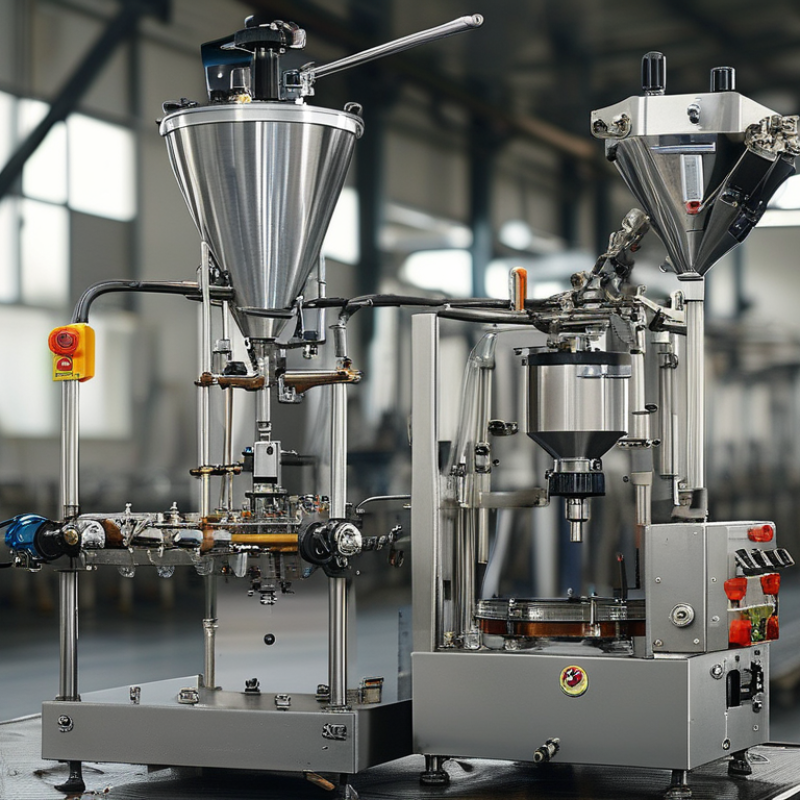
Understanding liquid viscosity is crucial when selecting filling machines. Viscosity refers to a fluid's resistance to flow. This property affects how the liquid moves through a filling system. For example, thicker liquids like honey require different machines compared to thinner liquids like water. Operators must evaluate viscosity for efficient and accurate filling processes.
Different types of filling machines cater to specific viscosity levels. For high-viscosity liquids, piston fillers are often preferred. They can handle thick substances effectively. In contrast, low-viscosity liquids are better suited for gravity or vacuum fillers, which allow for faster filling rates. It’s essential to choose machinery that aligns with the liquid’s properties to prevent inefficiencies.
Considering viscosity is not always straightforward. Some liquids exhibit non-Newtonian behavior, changing viscosity under pressure or while being stirred. This variability can pose challenges. Understanding these nuances is vital for optimal filling operations. Regular testing and adjustments may be necessary as formulations change. Keeping a close eye on these factors ensures production remains seamless.
When selecting filling machines for liquids with varying viscosities, specific features should be evaluated. Consider the type of liquid you are working with. Different viscosities require different mechanisms. For instance, high-viscosity liquids may require piston fillers or positive displacement pumps. These are designed to handle thicker substances effectively, ensuring accurate filling.
Another critical aspect is the machine's adaptability. Can the filling machine adjust to different viscosity levels? A flexible system can save time and money. Look for machines with adjustable parameters for fill volume and speed. This versatility can be crucial when dealing with products that have seasonal variations in viscosity.
Reliability is paramount in the industry. Machines that frequently malfunction lead to downtime. Assess how often maintenance is required and the availability of support. It can be helpful to read user reviews or discuss with other professionals in the field. Some machines may need more frequent parts replacement than others. Ultimately, the right filling machine should meet your specific production needs while ensuring consistent performance across various viscosity levels.
Choosing the right filling machine for liquid applications can be daunting, especially considering various viscosities. Selecting a machine that meets the specific needs of your product is crucial. According to industry reports, the global filling machines market is projected to grow by 6.5% annually, reflecting rising demand. Different filling technologies cater to the unique characteristics of liquids, such as thin, watery beverages versus thicker sauces.
Piston fillers are popular for thick liquids. They provide accurate fills and reduce waste. On the other hand, gravity fillers work best for low-viscosity liquids like water or juices. A study reveals that 42% of manufacturers prefer piston fillers for their accuracy. However, they are more complex and can require substantial maintenance. This complexity might deter smaller businesses or those with limited budgets.
Consideration of your product's characteristics is vital. Are you dealing with foamy liquids? If so, a vacuum filler could be more suitable. An evaluation of production speed and volume is equally important. A slower machine might lower initial costs but could lead to inefficiencies in the long run. Finding the right balance between cost, efficiency, and machine upkeep is a challenge. The right choice should suit your product viscosity and production needs without overcomplicating your operations.
Accuracy and precision are crucial when selecting filling machines for liquids with varying viscosities. The smallest error in measurement can result in significant product loss. Therefore, understanding the viscosity of your liquid is essential. Thick liquids behave differently than thin ones. This variability can complicate the filling process, leading one to choose a machine that misaligns with the product's needs.
Operators must assess the technology that guarantees consistent fill volumes. Positive displacement pumps or volumetric fillers often excel here. Both technologies can enhance precision. However, they do necessitate diligent upkeep to ensure performance remains steady. If not monitored, worn parts may lead to discrepancies in filling. It’s critical to choose machines that allow easy calibration. This adds to the reliability of the process.
Investing in training for your team can further improve accuracy. Operators familiar with machine intricacies are less likely to overlook calibration checks. Human error is a factor; even minor lapses can disrupt filling operations. Regular assessments and recalibrations can mitigate these risks. But that takes commitment. Embracing a culture of continuous improvement can significantly elevate your filling operation.
| Tip Number | Tip Description | Impact on Accuracy | Impact on Precision | Recommended Machine Type |
|---|---|---|---|---|
| 1 | Understand the viscosity range of your liquids. | High | Medium | Piston Fillers |
| 2 | Consider the filling volume required. | Medium | High | Volumetric Fillers |
| 3 | Evaluate the type of liquid (foamy, non-foamy) | High | High | Gravity Fillers |
| 4 | Check for features that minimize product waste. | Medium | Medium | Time or Pressure Fillers |
| 5 | Look for adjustable fill settings. | High | High | Flexible Fillers |
| 6 | Assess the filling speed needed. | Medium | Low | High-Speed Fillers |
| 7 | Consider ease of cleaning and maintenance. | Medium | Medium | Sanitary Fillers |
| 8 | Look for machines with accurate measuring systems. | High | High | Electronic Fillers |
| 9 | Estimate the budget, including operation and maintenance. | Low | Medium | Cost-Effective Options |
| 10 | Consult with manufacturers for tailored solutions. | High | High | Custom Fillers |
When selecting filling machines for liquid viscosities, it’s essential to consider automation and technology integration. Modern filling machines come equipped with advanced sensors and software. These technologies enhance precision and speed, which is vital for maintaining product quality. An automated system can adjust to various viscosities seamlessly, reducing manual errors and minimizing downtime.
However, finding the right balance between automation and human oversight is crucial. A fully automated system might overlook minor variations in liquid behavior. Operators need to maintain a hands-on approach during the initial setup phase. Regular monitoring ensures that the machine adapts efficiently to changing viscosity rates.
Additionally, understanding the specific requirements of your facility is important. Certain machines may require technical expertise for maintenance and operation. While embracing technology, don't underestimate the value of training staff. Skilled employees can identify inefficiencies that machines might not catch. Balancing technology with human experience enhances overall operational reliability.
: Viscosity refers to a fluid's resistance to flow, affecting how it moves through filling machines.
Viscosity impacts the choice of filling machine, influencing efficiency and accuracy during the filling process.
Piston fillers are often preferred for high-viscosity liquids like honey, ensuring effective handling.
Gravity or vacuum fillers suit low-viscosity liquids, allowing for quicker filling rates.
Non-Newtonian liquids change viscosity under pressure, complicating filling operations and requiring careful monitoring.
Machines with adjustable parameters for volume and speed can efficiently handle variations in viscosity.
Reliable machines reduce downtime, which is crucial for maintaining production efficiency.
The frequency of maintenance and support availability should be assessed to avoid production disruptions.
Yes, seasonal changes in viscosity can impact filling processes and require adaptable machines.
Reading user reviews can provide insights into reliability and maintenance needs for different filling machines.
When considering how to choose filling machines for different liquid viscosities, it’s crucial to first understand the role of liquid viscosity in the filling process. The viscosity of a liquid can significantly impact the choice of machinery, as different filling machines are designed to handle various thicknesses. Evaluating key features such as the flow rate, pressure application, and nozzle design is essential for ensuring optimal performance across different viscosity levels.
Additionally, comparing different types of filling machines can help identify the best fit for specific liquid applications. Precision and accuracy are critical factors in achieving consistent fills, reducing waste and ensuring product quality. Finally, integrating automation and modern technology into the filling machine selection process can enhance efficiency and responsiveness, making it easier to adapt to changing production needs. By following these tips, businesses can improve their filling operations significantly.

Yongli Machine